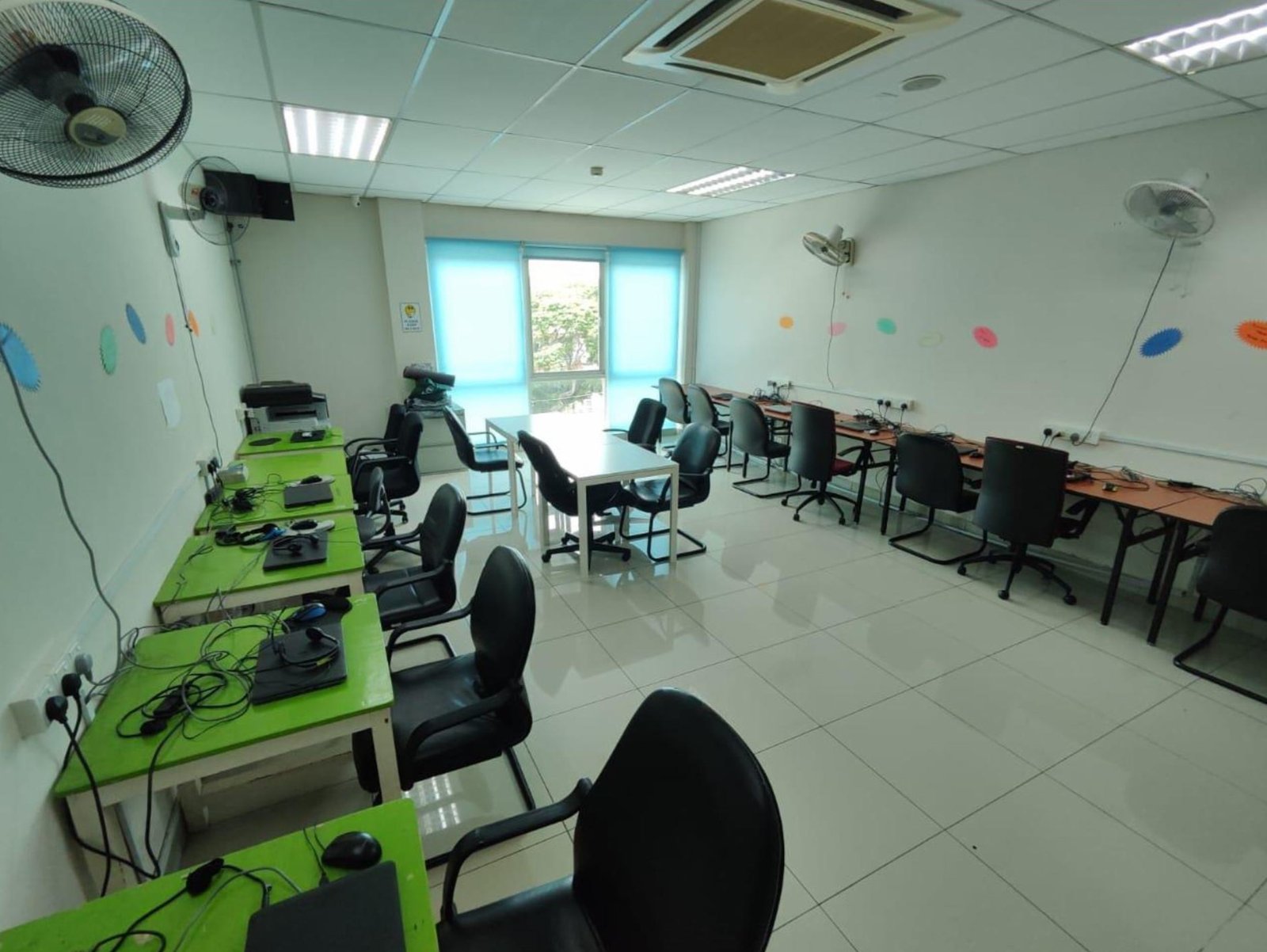
Resource Room
A quiet room with books, learning materials, and computers for tutoring and homework.

We provide daily care, education support, and long-term guidance — in a way that respects every child’s needs and dignity.
Care looks like showing up — gently, every day.
Throughout the year, the home runs and hosts different initiatives with the children — from cultural activities to community-based programmes. These moments create confidence, belonging, and connection with the wider community.
Some examples include:
External organisations are welcome to discuss suitable collaborations at the home.
The home includes dedicated rooms and facilities that support learning, therapy, play, programmes, and visits from schools or organisations.
A quiet room with books, learning materials, and computers for tutoring and homework.
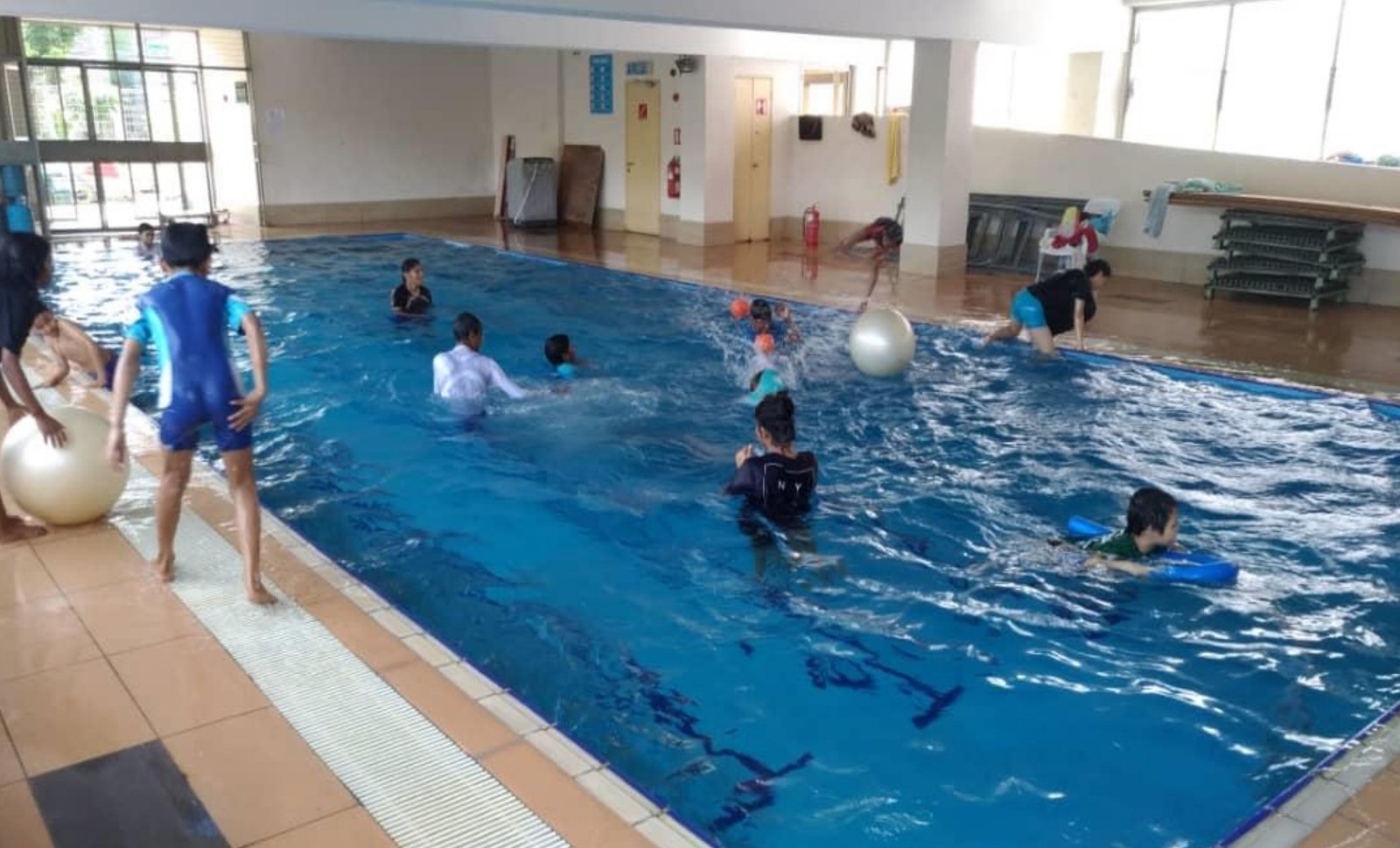
Used for supervised sessions that support physiotherapy, motor skills, and water confidence.
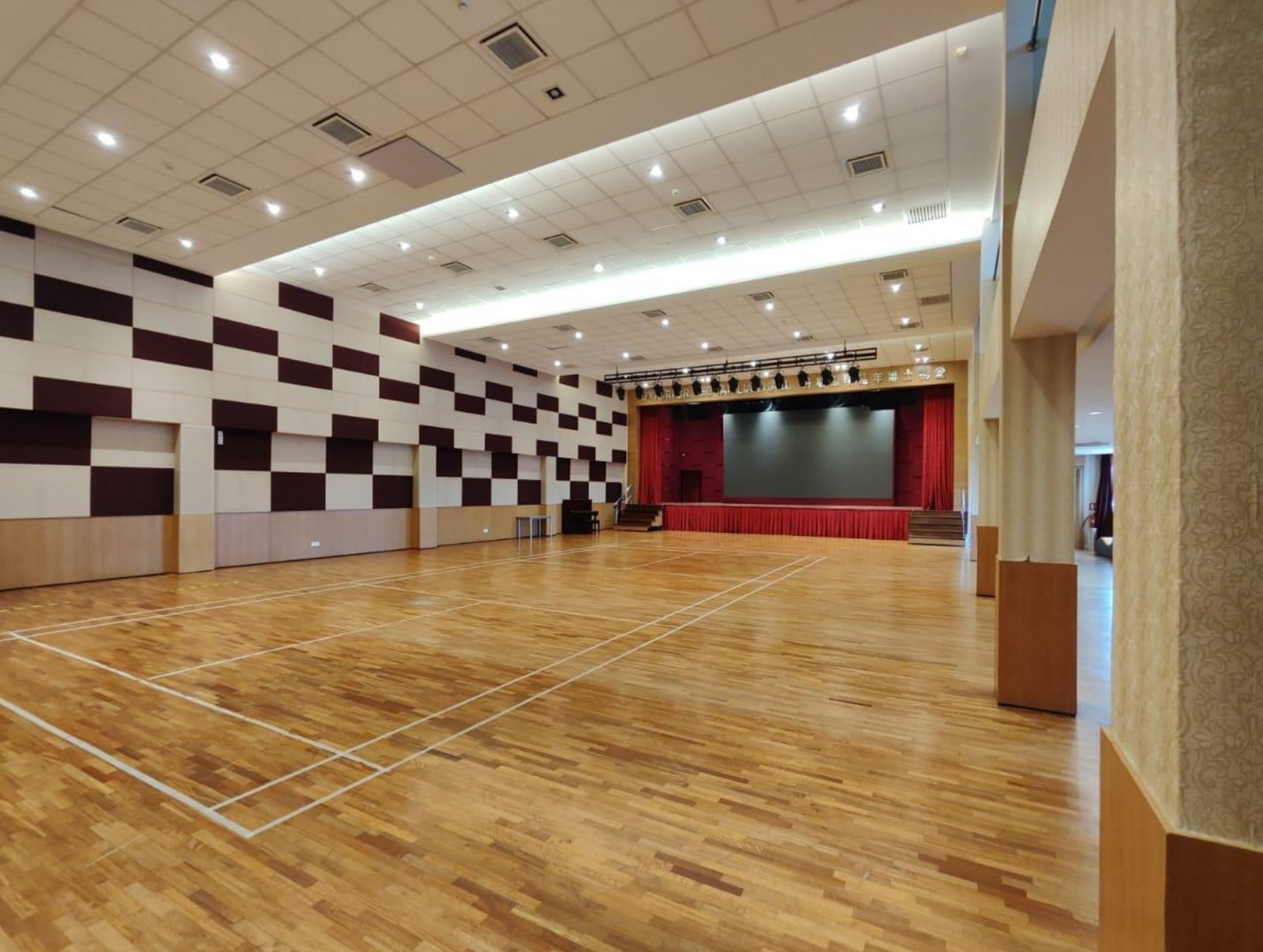
A flexible space for performances, indoor games, and visits from schools and community groups.
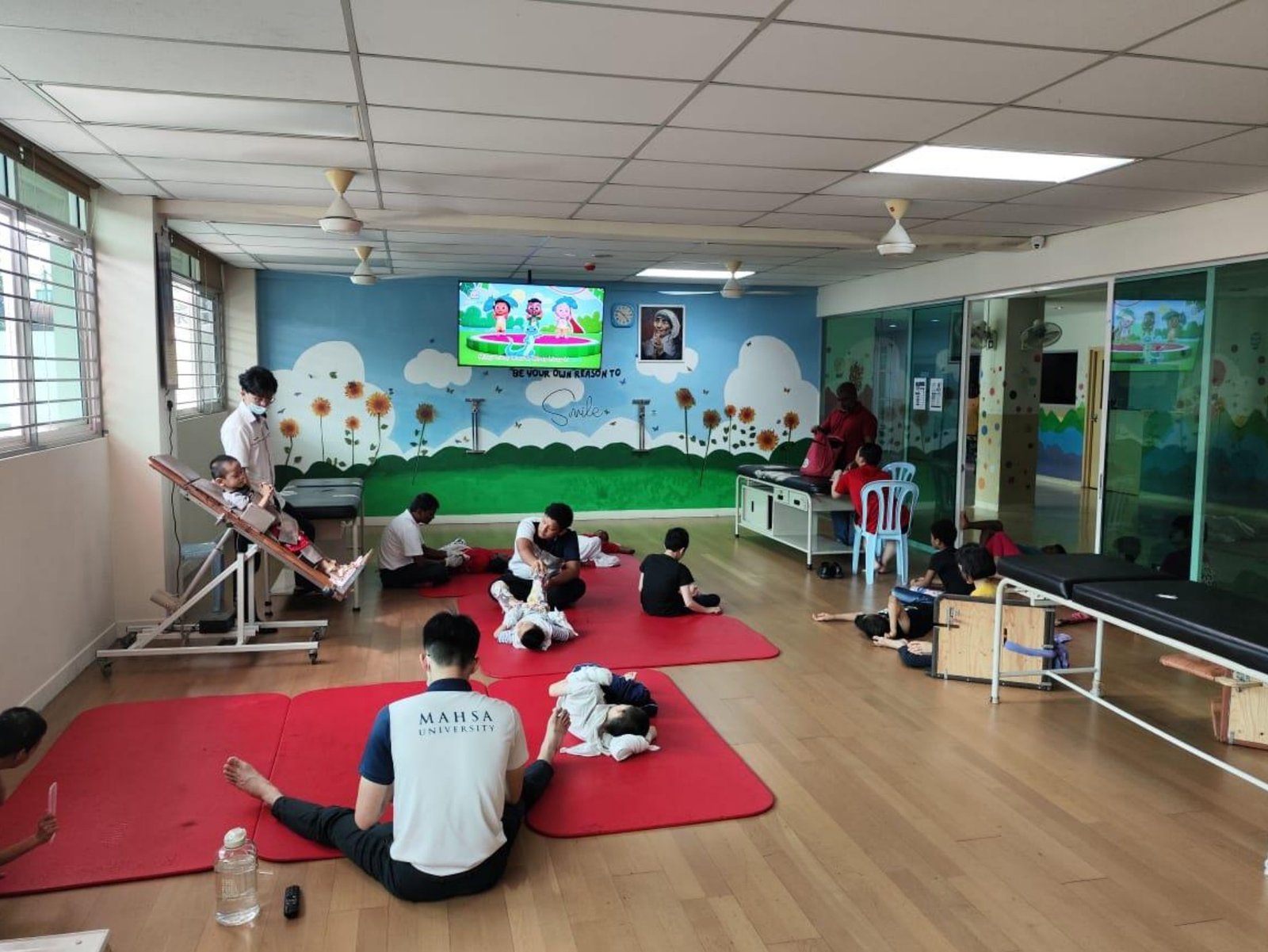
A structured space for one-to-one or small-group therapy and developmental support.
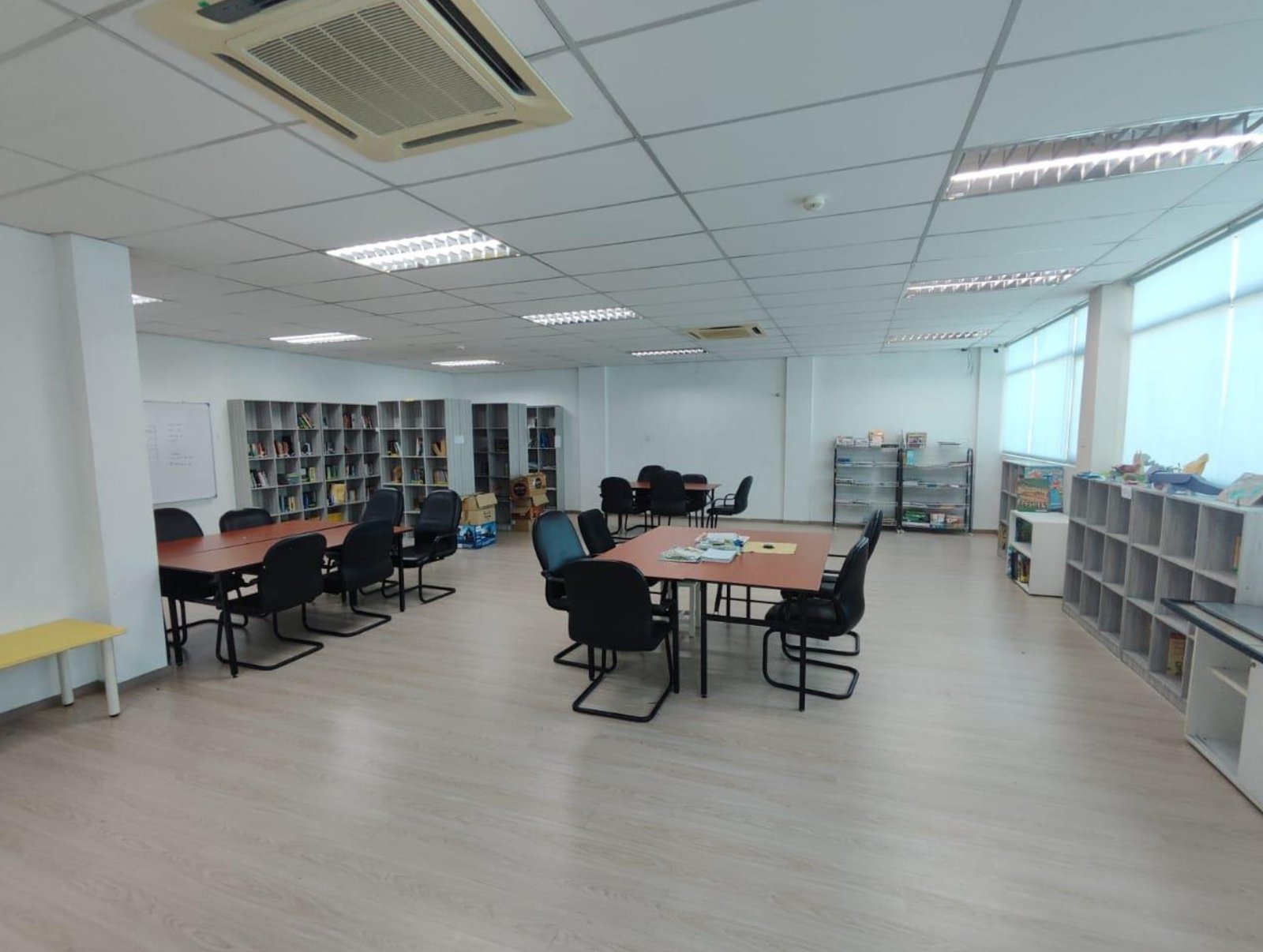
A quiet space for reading, research, and guided learning activities.
Behind the programmes and spaces, our work is shaped by these areas of care.
Meals, routines, and supervision that create a predictable, supportive environment.
Most important: a stable place to call home.
Schooling, transport, homework help, and tutoring — at a pace suited to each child.
Most important: patience and encouragement.
Therapy coordination, medical follow-ups, and routines that respect each child’s needs.
Most important: dignity and understanding.
Friendships, safe emotional expression, and confidence-building activities.
Most important: children feeling seen.
Life skills and gentle responsibilities that prepare older children for adulthood.
Most important: guidance without pressure.
Long-term relationships with caregivers, educators, volunteers, and supporters.
Most important: knowing people don’t disappear.
Alongside daily care, we are strengthening specific areas of support so that more children with different needs can learn and grow with confidence.
As we grow, the home is strengthening its support for children with autism, ADHD, and learning or behavioural challenges. The goal is to provide calmer routines, more structured learning environments, and better emotional support — day by day.
We welcome individuals who have experience or interest in:
Even simple, consistent help makes a difference — especially for children who need slower, calmer support.
We are working with Sunway University students through a student ambassador programme that supports learning, activities, and community engagement at the home.
This partnership helps bridge the gap between young volunteers and the everyday needs of the children.
If you are a school, company, or organisation interested in running a programme or visit with the children, we’d be happy to discuss what is possible.